

Tasting Notes

Tasting notes help describe the character of a cigar with clarity. They give language to aroma, body, strength, balance, texture and finish, allowing each cigar to be understood beyond its format or appearance.
For Wonnerbar, tasting notes are not meant to make the experience complicated. They are designed to make each series easier to recognise, compare and enjoy with greater attention.
What Tasting Notes Describe
A tasting note can describe many parts of the cigar experience: the first impression, the aroma before lighting, the development during smoking, the balance between strength and body, and the final finish.
Good tasting language should be clear. It should help the visitor understand whether a cigar feels smooth, rich, spicy, creamy, earthy, fresh, aromatic, direct or complex.
Aroma
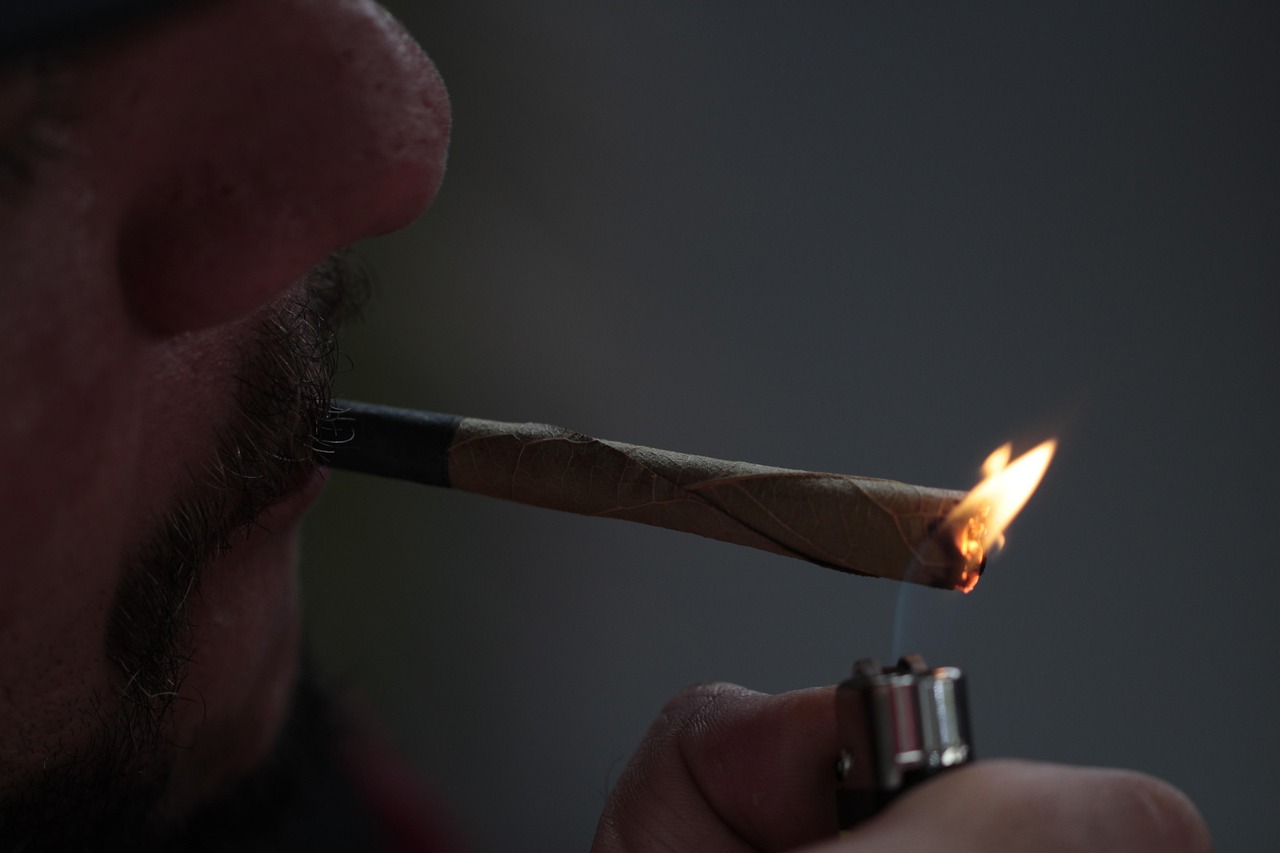
Aroma is one of the first ways a cigar begins to speak. It can be noticed before lighting, during the smoke and even in the finish.
Some cigars may carry creamy, woody or earthy notes. Others may feel more spicy, sweet, floral, toasted or aromatic. Aroma should not be treated as a fixed formula; it is part of how the cigar opens and develops.
Body, Strength and Balance
Body describes the fullness of the flavour. Strength describes the intensity of the cigar. Balance describes how well the different elements work together.
A cigar can be full-bodied without being aggressive. It can be mild while still carrying flavour. It can be strong, but still balanced. Reading these three elements separately helps make the tasting experience more accurate.
Texture and Draw
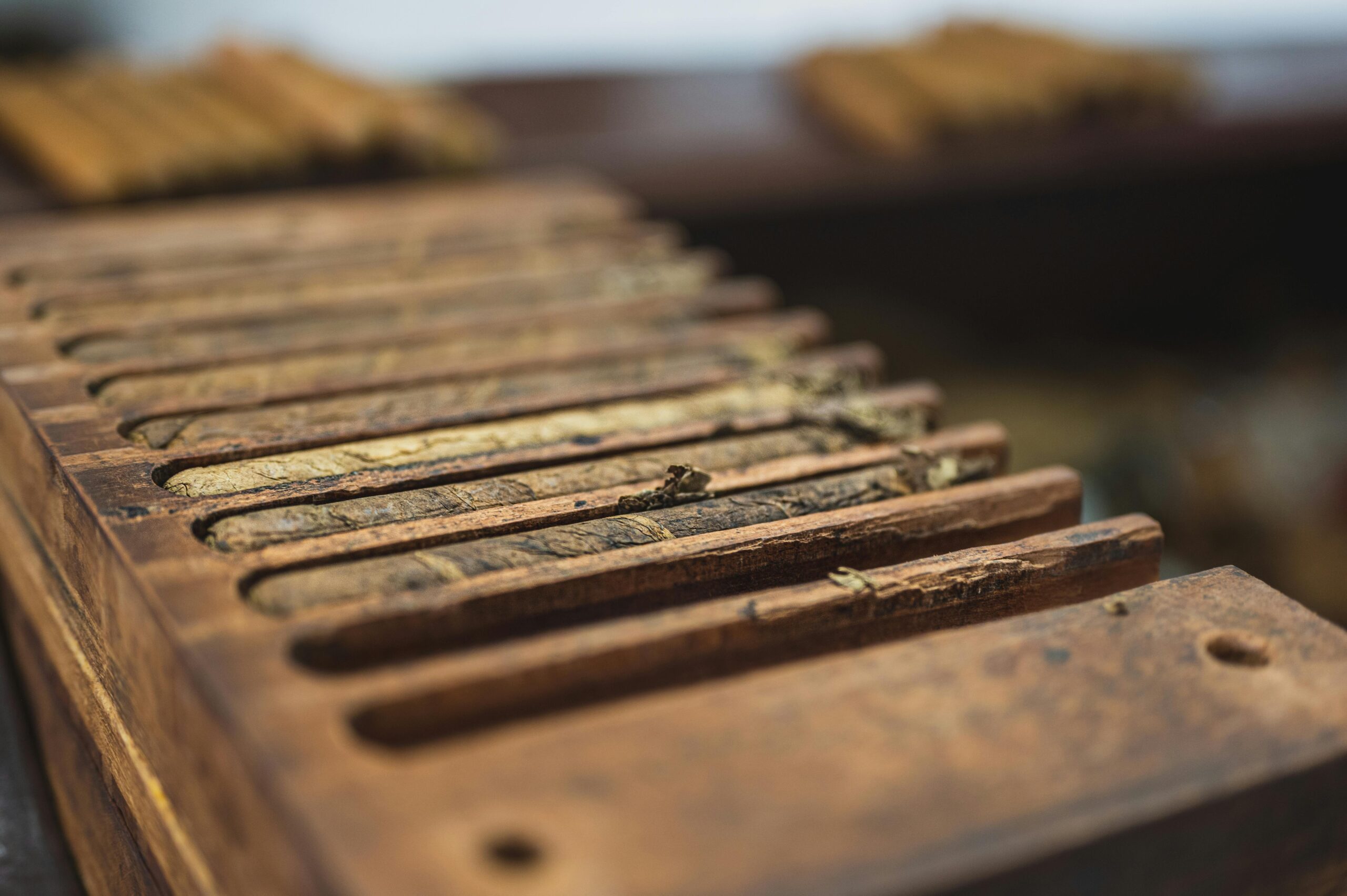
Texture is the way a cigar feels on the palate. It may feel creamy, dry, silky, dense, sharp or smooth. Draw describes how easily air moves through the cigar during smoking.
These details influence comfort and rhythm. A cigar with good texture and a controlled draw allows the experience to develop without distraction.
Development and Finish
A cigar may change as it is smoked. The first impression can be softer, while the middle section may bring more body, spice or depth. The final part may become warmer, richer or more intense.
The finish is what remains after the draw. A clean, pleasant and memorable finish can make the cigar feel complete. This is often where the character of the cigar stays in memory.
Reading Wonnerbar Series Through Taste
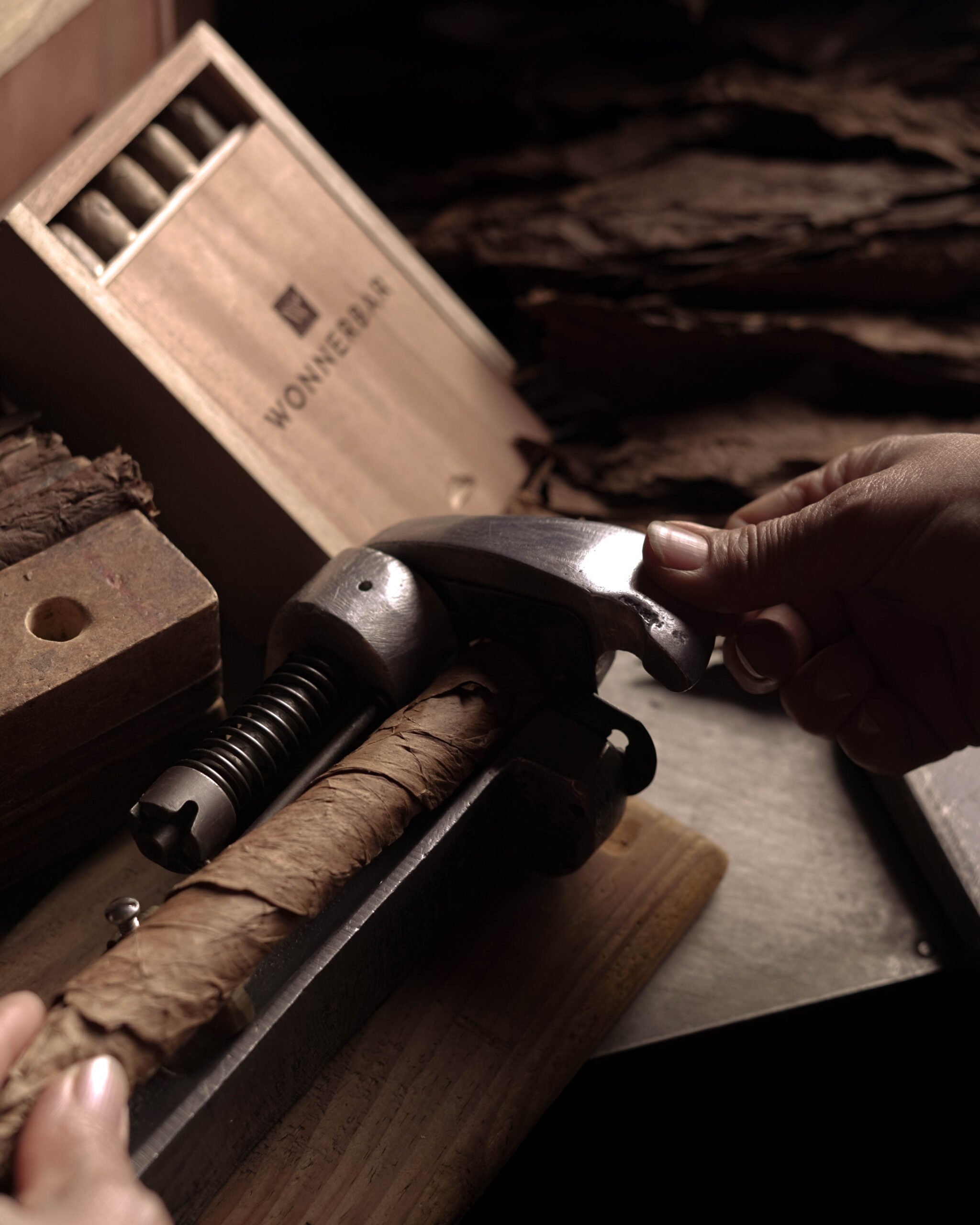
Each Wonnerbar series has its own tasting direction.
Signature should feel personal, distinctive and memorable. Placer leans toward balance, smoothness and refined pleasure. Pasión brings a more aromatic and expressive profile. Heritage carries depth, continuity and a rooted tobacco character. Clásico offers a cleaner, more direct and timeless cigar expression.
These directions help visitors understand the collection before going into detailed product information.
Tasting with Coffee and Beverages
Coffee and selected beverages can change the way a cigar is perceived. Espresso may highlight intensity and roasted notes. Filter coffee may support balance and a longer rhythm. Fresher beverage profiles may make certain aromatic or lighter cigars feel more vivid.
Pairing should not overpower the cigar. It should support the tasting experience and help different sides of the cigar become easier to notice.
A Simple Way to Take Notes
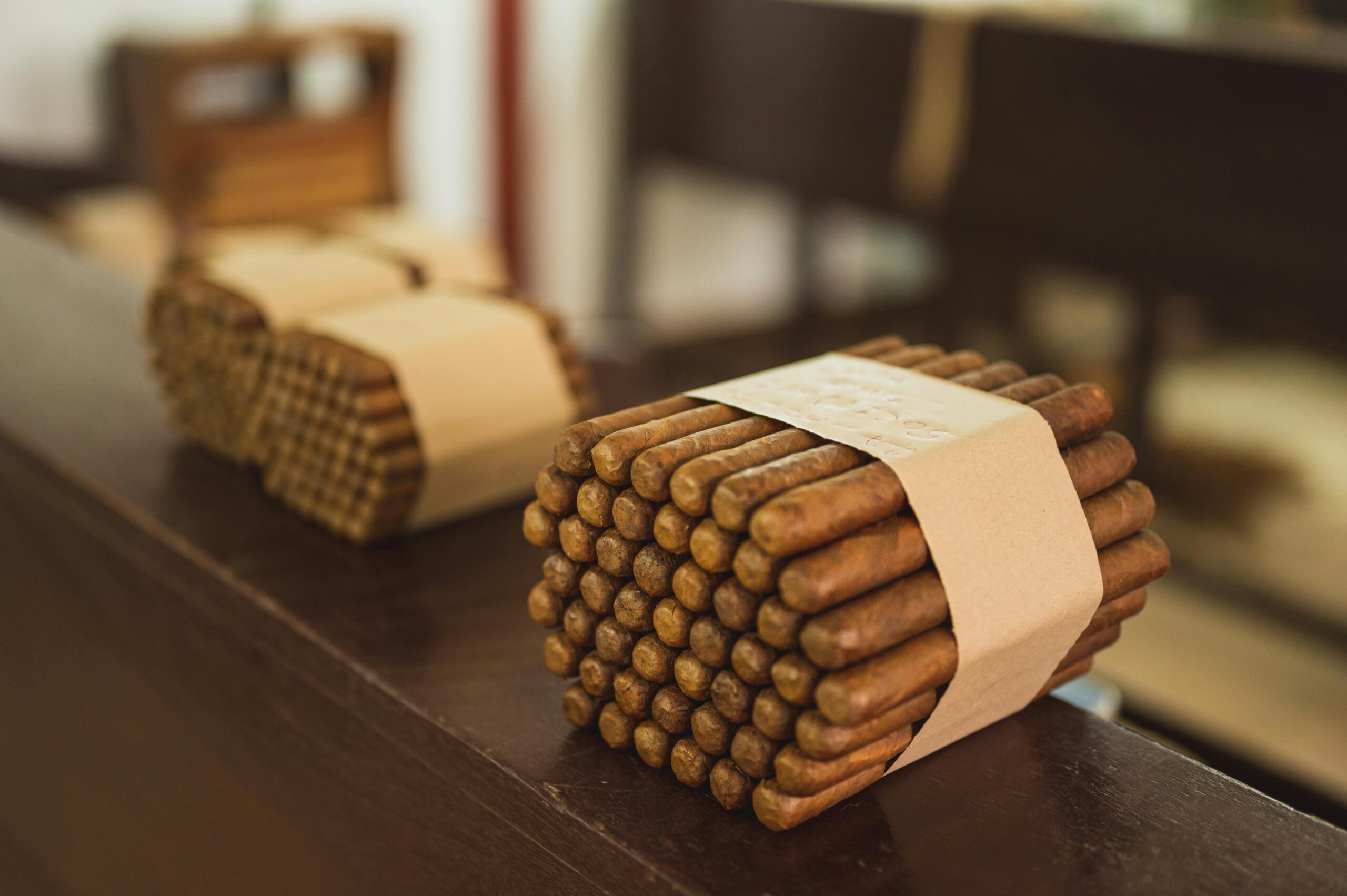
A tasting note does not need to be long. A clear note can answer a few simple questions: What was the first impression? Was the cigar mild, medium or strong? Which aromas were most noticeable? Did the body feel light, balanced or full? Was the finish clean, warm, spicy or long?
These simple observations help the visitor remember the cigar and compare it with other series over time.
Taste with More Attention
Tasting notes help turn a cigar from a product into an experience that can be recognised, described and remembered.
Use this page as a guide to read the Wonnerbar collection with more attention, compare each series with more clarity and discover the cigar character that suits your preferred moments.